

Environmental Testing With Ultrapure Water: Lab Alliance Systems
Environmental testing plays an essential role in evaluating the health of ecosystems and communities. Lab Alliance Systems utilizes ultrapure water to enhance the accuracy of its analytical results. The lab employs a multi-step purification process to eliminate contaminants Lab Alliance, thereby ensuring the integrity of environmental samples. This rigorous approach raises important questions about the broader implications of data reliability. What specific techniques and applications contribute to these outcomes?
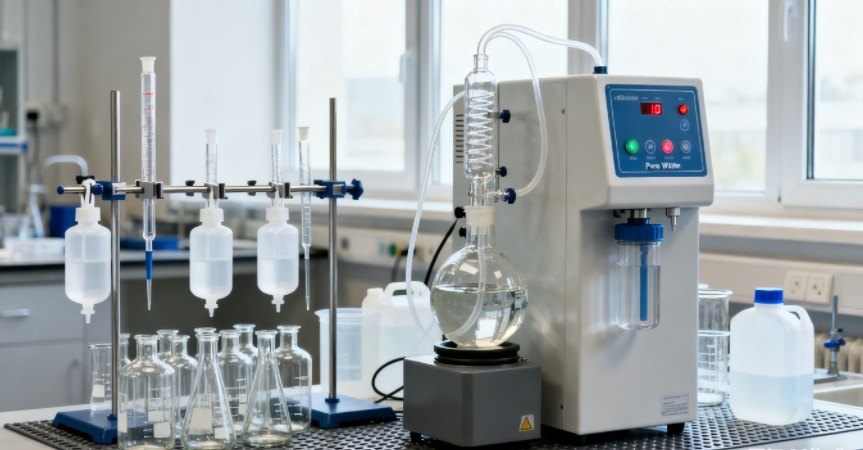
The Importance of Ultrapure Water in Environmental Testing
Although environmental testing encompasses a range of methodologies and materials, the use of ultrapure water is critical for guaranteeing the accuracy and reliability of test results. Ultrapure water, characterized by its high water quality, minimizes contaminants that could compromise analytical outcomes. This purity is essential in various testing protocols, where even trace impurities can lead to significant deviations in results.
In environmental testing, the integrity of samples is paramount. Utilizing ultrapure water helps to eliminate variables that may obscure true sample characteristics, thereby enhancing the credibility of the findings.
Furthermore, the stringent standards for ultrapure water production guarantee that it meets the requirements set forth by regulatory bodies, fostering a standardized approach among laboratories. Consequently, the adoption of ultrapure water in environmental testing not only safeguards the accuracy of results but also contributes to the broader objective of maintaining environmental integrity and promoting informed decision-making.
How Lab Alliance Systems Ensures Water Purity
Lab Alliance Systems employs a rigorous multi-step process to guarantee the purity of ultrapure water utilized in environmental testing. This process begins with advanced water filtration techniques that effectively remove contaminants at various stages, assuring minimal residual impurities.
The system incorporates reverse osmosis, deionization, and UV treatment, which collectively enhance the quality assurance of the water produced.
To maintain high standards, Lab Alliance Systems conducts regular testing and monitoring of water quality, confirming compliance with stringent regulatory requirements. Each phase of the purification process is meticulously documented, allowing for traceability and accountability in water quality management.
In addition, the facility implements an extensive maintenance schedule for all equipment involved in water purification, thereby minimizing the risk of contamination.
Through these systematic approaches, Lab Alliance Systems guarantees that the ultrapure water meets the exacting standards necessary for reliable and accurate environmental testing.
Innovative Techniques for Environmental Analysis
As environmental challenges continue to evolve, the adoption of innovative techniques in environmental analysis has become essential for accurate assessment and monitoring. One prominent approach is the integration of green chemistry principles into analytical methods, which emphasizes sustainability and minimizes hazardous waste.
Techniques such as high-resolution mass spectrometry and gas chromatography have been refined to deliver enhanced sensitivity and specificity, allowing for the detection of trace pollutants in various matrices. Additionally, advancements in sensor technology facilitate real-time monitoring, enabling rapid decision-making in environmental management.
The incorporation of machine learning algorithms into data analysis further enhances the capability to predict environmental trends and assess risks. Collectively, these innovative techniques not only improve the precision of environmental assessments but also align with the growing demand for sustainable practices.

Applications of Ultrapure Water in Various Testing Scenarios
The integration of ultrapure water in environmental testing enhances the accuracy and reliability of analytical results. Its applications span various testing scenarios, including chemical analysis, microbiological testing, and environmental monitoring.
In chemical analysis, ultrapure water serves as a solvent, ensuring that contaminants do not interfere with results, adhering to rigorous testing standards. For microbiological testing, the use of ultrapure water minimizes the risk of introducing microorganisms that could compromise sample integrity.
Environmental monitoring, particularly in evaluating water quality, benefits from the water purification processes that remove impurities, thereby providing a clearer understanding of pollutants. In addition, ultrapure water is essential in calibrating instruments to avoid cross-contamination, ensuring precision in measurements.
Benefits of Reliable Data for Environmental Health
Reliable data serves as the foundation for informed decision-making in environmental health, particularly when evaluating the impacts of pollutants on ecosystems and human populations. The benefits of such data are multifaceted, focusing on data accuracy and health implications.
- Risk Assessment: Reliable data enables precise identification of pollutant sources and their potential risks, facilitating effective mitigation strategies.
- Policy Development: Accurate environmental data informs policymakers, leading to regulations that protect both ecosystems and public health.
- Public Awareness: Trustworthy data helps raise awareness among communities about environmental risks, empowering individuals to advocate for healthier environments.
Commitment to Sustainable Practices in Laboratory Testing
While environmental testing laboratories play a critical role in ensuring data integrity, their commitment to sustainable practices considerably enhances the overall effectiveness of their operations. By prioritizing sustainable sourcing, these laboratories can minimize their environmental footprint while maintaining high standards of accuracy and reliability.
The use of eco-friendly materials in laboratory processes not only supports environmental stewardship but also fosters innovation in testing methodologies.
Moreover, integrating sustainable practices can lead to cost savings and improved operational efficiency. Laboratories that adopt a holistic approach to sustainability often find themselves better positioned to meet regulatory requirements and respond to stakeholder demands for transparency.
Ultimately, a commitment to sustainable practices in laboratory testing not only benefits the environment but also strengthens the credibility and trustworthiness of the data produced. This alignment with ecological principles resonates with a growing audience that values freedom through responsible and ethical scientific endeavors.
Conclusion
To summarize, Lab Alliance Systems exemplifies the critical role of ultrapure water in environmental testing, employing advanced purification techniques to guarantee the integrity of analytical results. This meticulous approach not only enhances the reliability of environmental assessments but also supports informed decision-making that benefits public health and sustainability. By prioritizing stringent quality standards and innovative methodologies, Lab Alliance Systems contributes greatly to the advancement of environmental science and the promotion of a healthier ecosystem.
